Event Security
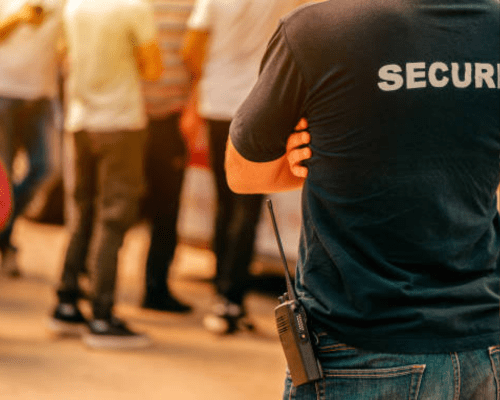
Event Security is the specialized practice of managing risk and ensuring the safety of attendees, staff, performers, and property during a gathering. It is a complex operation that integrates physical security, crowd management, access control, and emergency response planning to create a secure environment where the event can proceed without incident.
Core Objectives:
-
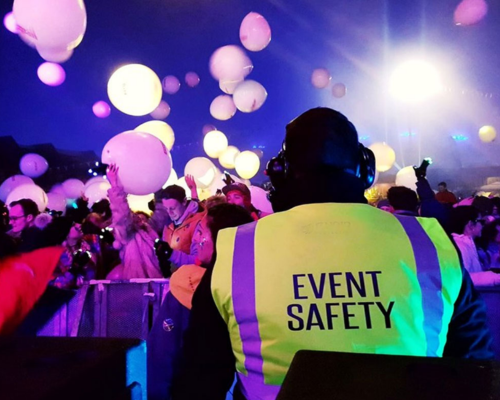
Life Safety: The paramount goal is to prevent injury and loss of life.
-
Asset Protection: Safeguarding physical property, equipment, and valuables.
-
Crowd Management: Facilitating the safe and orderly movement of people to prevent crushes, riots, or panic.
Threat & Risk Assessment (TRA):
What: Analyzing the event to identify potential vulnerabilities and threats.
Factors Considered: Event type (concert vs. corporate vs. political rally), audience profile, size, location, history of similar events, and current political/social climate.
Key Components of an Event Security Plan:
effective event security is invisible to the majority of attendees. It is a seamlessly executed operation that creates a safe and secure container, allowing the event's purpose—whether celebration, business, or protest—to unfold without disruption.
-
Technology Integration:
-
CCTV: For wide-area monitoring and forensic review.
-
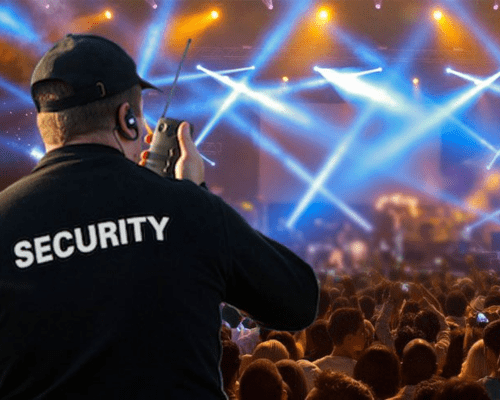
Two-Way Radios: For seamless communication among all staff.
-
Metal Detectors & X-Ray Machines: For screening at entry points.
-
License Plate Recognition (LPR): For monitoring vehicle access to loading docks or parking areas.
-
Drones: For aerial oversight of large outdoor events (e.g., festivals).
-
Personnel Deployment & Roles:
-
Uniformed Security: Visible deterrents for access control and roving patrols.
-
Plainclothes Officers: Discreetly blending into the crowd to detect pickpocketing, fights, or other illicit activity.
-
Crowd Management Staff (Ushers/Stewards): Focused on guiding and assisting attendees.